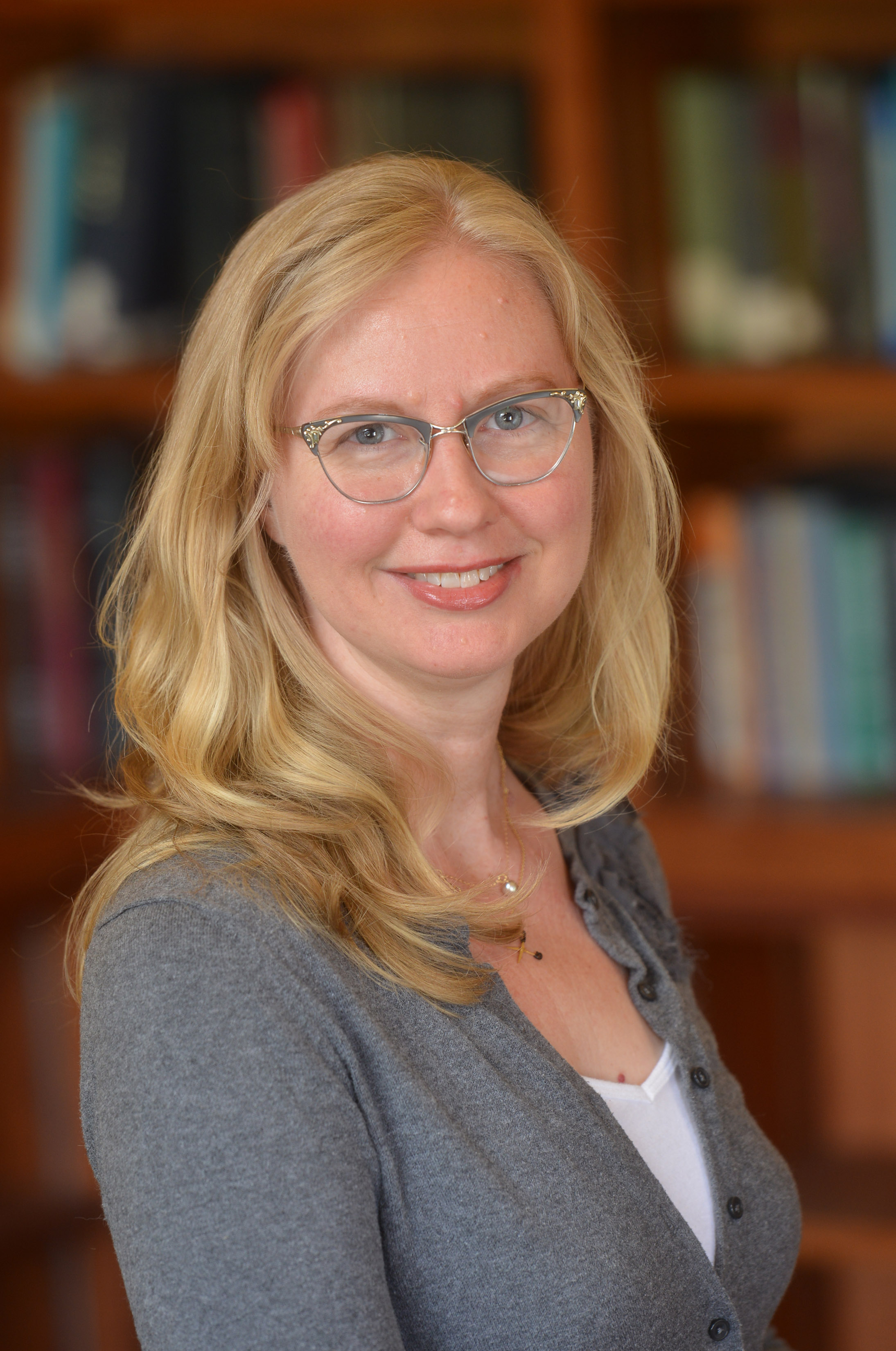
 My research interests focus on how audiovisual materials are integrated into, accessed, and preserved as part of our larger cultural heritage. In my current role as Community Manager for the LOCKSS Program at Stanford University, I work with a global audience of practitioners who apply the “lots of copies keep stuff safe” approach to digital preservation through community-based networks and the open-source LOCKSS software.
From 2011-2018, I managed the graduate degree programs in Moving Image Archive Studies and Library & Information Science in the Department of Information Studies at UCLA, where I also taught courses in professional development, archival administration, and media preservation. Previously, I held positions as an archivist and information professional at several outstanding institutions, including the J. Paul Getty Museum, the Academy Film Archive, and the Japanese American National Museum. I have also consulted on preservation, administration, and archival management with private collectors and many other institutions in the U.S. and abroad. (For full details, please see my current c.v.)
In 2002, I helped launch the annual international Home Movie Day event (HMD) with my colleagues Brian Graney, Chad Hunter, Dwight Swanson, and Katie Trainor. Over two decades later, HMD is perhaps the world’s largest ongoing film preservation, education, and outreach event. We have helped thousands of individuals and families identify, assess, care for — and most importantly, see — their films as family heirlooms and as an important part of a shared cultural and historical record. In 2003, we also founded the nonprofit Center for Home Movies, which promotes understanding of and interdisciplinary research and scholarship related to amateur media. (CHM received the Hamer-Kegan Award for archival advocacy from the Society of American Archivists in 2017. I also discussed the history of this organization as part of a keynote speech for the New England Archivists annual meeting in 2012; you can view a recording of that speech in its entirety here.)
Starting in 2006, I began to explore the increasingly pivotal role of audiovisual recordings in the criminal justice system. This led me to advanced studies in archival science, including research that examines the property room as a type of archive, and compares how audiovisual recordings, file-based media, and material evidence are all managed in law enforcement organizations. As part of that research, I did nine months of fieldwork as an intern with the Major Crimes unit of a central Texas law enforcement agency; I also received basic certification from the Texas Association of Property and Evidence Inventory Technicians (TAPEIT) in 2007. That work has led into additional research projects related to the creation, management, and preservation of audiovisual evidence, including an IMLS-funded National Forum on data management needs arising from large-scale video recording programs such as police body-worn cameras.
In addition to my work as an academic, I am also an avid knitter, and I hold RYT200 certification from Yoga Alliance.
 Snowden Becker